Flash Fiction Week!

“On Meeting my Dad and then Leaving”

by Mark Haase

Screen Shot 2014-10-29 at 1.41.44 PM

I only met my dad once–in a restaurant, when I was about five. Well, technically, I met him when he came to my house and brought me to the restaurant, but I don’t remember that, nor the ride home,nor much of the meal. All I recall is we ate at a German restaurant in New Orleans–Kolb’s–and I saw a sooty-looking brown rat scurrying across the restaurant floor. While eating my dessert, I said “I don’t think I can finish it” and he said, “That’s fine, just eat until you’re satisfied.”

******

“Insurance”

 by Chuck Lyons
When Bob Ryan was in rehab, he agonized over the insurance, the expense, over who would pay. He had worked for an insurance company, and he knew what could happen. In fact, the form letter denying or approving coverage had gone out over his name. That was before he had been fired for his drinking.
So, he worried.
He went to his classes, his meetings, did the reading and the writing. On Sundays, his wife visited with the kids. On Saturday afternoons, he watched college basketball games on TV, and on Saturday night the whole floor went out to an AA meeting.
But he heard nothing from the insurance company, and he continued to worry.
Then, after three weeks, he got a letter – a neatly typed letter on heavy cream-colored paper. “After a thorough review of your case,” it said, “we are unable to….”, and he knew he had been refused coverage.
“Damn it,” he thought as he scanned down the letter to the name at the bottom – “Robert M. Ryan.” “They were still using the same letter.”
He had, you see, denied himself.

******

About the authors 

Mark Haase is a licensed counselor and marriage & family therapist. He lives in Louisiana with his wife and three children. 

 Chuck Lyons is a retired newspaper editor and a freelance writer whose articles, memoirs, stories, and haiku have appeared in a number of national and international periodicals. He resides in Brighton , near Rochester NY, with his wife Brenda and a beagle named “Gus.”

Can’t Dance

by Carol Sanford

alwaysposter-thumb-190x281-30540


“Sir, would you be willing to come on stage during the play?”

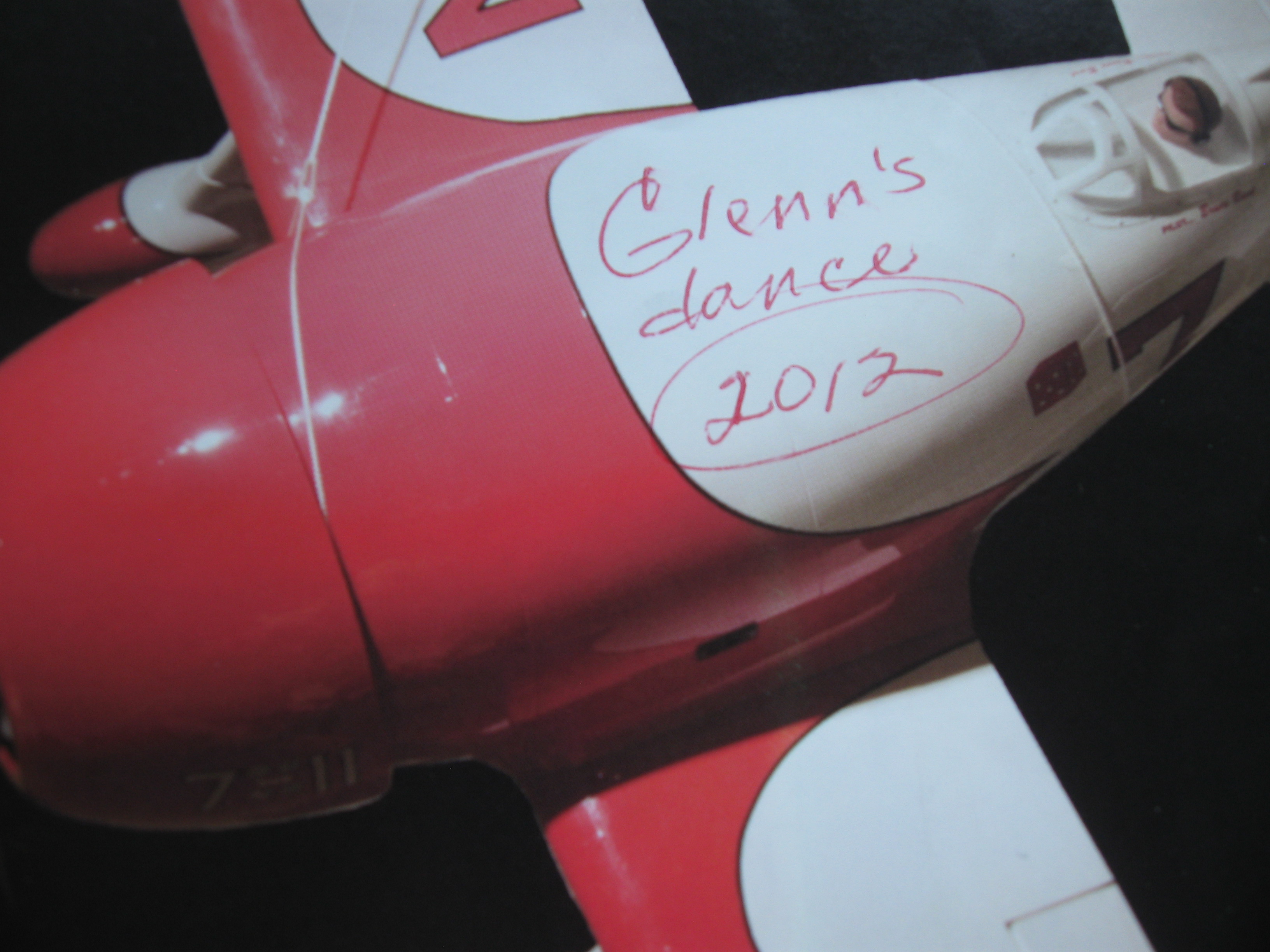
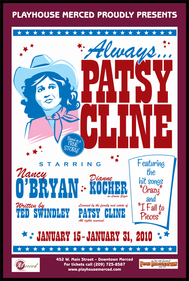
The director of Always…Patsy Cline stands over me and my husband, Glenn, where we’re contentedly touching elbows in our front row center seats. A familiar tune lightens the air in the theater as Patsy’s voice slips from my head into my heart. The set waits, curtain open, for two actresses who’ll carry the whole show.

Glenn hardly pauses before answering, “Only if I don’t have to dance.”

“It’s not necessary to know how,” the director says. She nods a thank you and heads backstage.

I wait a few seconds before leaning over to whisper, “She expects you to go up there.”

No response.

My husband is no dancer. Picture us, the couple who patiently waits for the band’s slowest number to scurry to the dance floor, where we find ourselves incapable of grace. His shoes graze mine, my back soon aches from his tight embrace so I decide to lead, then we stumble around for a while, and end up in a corner rocking back and forth, laughing. We’ve been doing this for twenty five years.

No way, I can’t believe he plans to go up there, embarrassing himself (and me). When asked if he wants to try something new, he’ll often say, “Why not? Can’t dance.” But he’s never foolhardy. So what’s happening here?

apc

I glance at his profile as the lights and music fade: Shhh, play’s starting.


A lamp in the kitchen quarter of the set signals early morning. Out comes Louise Seger, still sleepy, an ultra brassy and sensuous woman. She turns the knob on her radio and hears Patsy’s rendition of “Back in Baby’s Arms” then phones the DJ to find out who’s singing. Smitten for good, Louise sets out to be Patsy’s number one fan.

Louise’s bawdy Texas drawl and exaggerated behavior disappoint me. Then the two women meet for the first time in a bar where Patsy performs, and Always…Patsy Cline takes off. The actress playing Patsy has Patsy’s voice and mannerisms down. What a heartbreaker when she croons “I Fall to Pieces”! Glenn and I reach for each other’s hand, and finally get caught up in the plot.

As intermission nears, I remember what’s probably coming next. Sure enough, with the sudden first bars of “San Antonio Rose” Louise swings her hips, circumvents a few bar tables, sashays to center stage and descends to grab my husband out of the audience. It happens fast. Without a by-your-leave he’s up and gone to the pounding beat. I feel bare.

On stage my husband and Louise whirl with such abandon my jaw unhinges. Is he grinning? He’s managing some kind of funky box-step, appearing to lead and stomping his feet like a Texan. Dear God! Am I embarrassed or in awe? I think it’s awe.

Then it’s over and he’s sitting at my side. Calm, smiling.

“Wow,” I say to him. “Wow. You were great.”

During intermission we don’t speak about his performance or the fact that this Louise character is way over the top.

“Look,” I say, showing him the playbook as lights dim for Act Two. “ We’re going to hear ‘Crazy’ and ‘She’s Got You’, my favorites.” Ex-favorites?

IMG_2958

In the second half of the play, Patsy’s fame skyrockets. We enjoy song after song, big hits. We know how the story ends but don’t want it to happen. When word comes that Patsy’s plane crashed, Louise, face blanching, sits in her kitchen and weeps actual tears. We’re close enough to see them, and I think I like her after all.

Segue to Patsy dressed in an angel-gauzy gown and standing on a platform in order to leave us with a medley of songs we haven’t already heard. Pretty hokey. But when she closes with a rousing “Bill Bailey” we all clap and yelp like crazed teens. Long live Patsy! Always!

As we herd out of the theater, a young man crowding past says “Way to go!” and Glenn thanks him.

“Good job,” a guy Glenn’s age tells him, and another somewhere behind us adds his congratulations. I inch forward in the narrow hallway behind my celeb, pretending no astonishment. My fingers lightly grasp his coat tail. Don’t I know this man, from his balding head to his pre-hammer toes?

“Did you realize what you were in for?” I ask as we drive out of the parking lot. “How did you find the nerve to go up there?”

“Nerve?” he says. “What was there to be nervous about? It was fun.”

Then he tells me, “I wasn’t going to get that chance again.”

And then, circling slow-time through me is the question I don’t want to ask: Darlin’, oh darlin’, why don’t you dance with me like that?


About the author

Retired from teaching, Carol Sanford writes from her home in central Michigan, where she lives with her husband.  Carol has been publishing poems since the 1980s.  Her essays have appeared in Creative Nonfiction and Fourth Genre published an excerpt from her memoir manuscript. More recent work can be found online at Ragazine, New Verse News, and The Zodiac Review. In fall 2014, Andrea Badgley’s “American Vignettes” blog project will include an essay by Carol.

Clowning Around

by Mitch Kalka


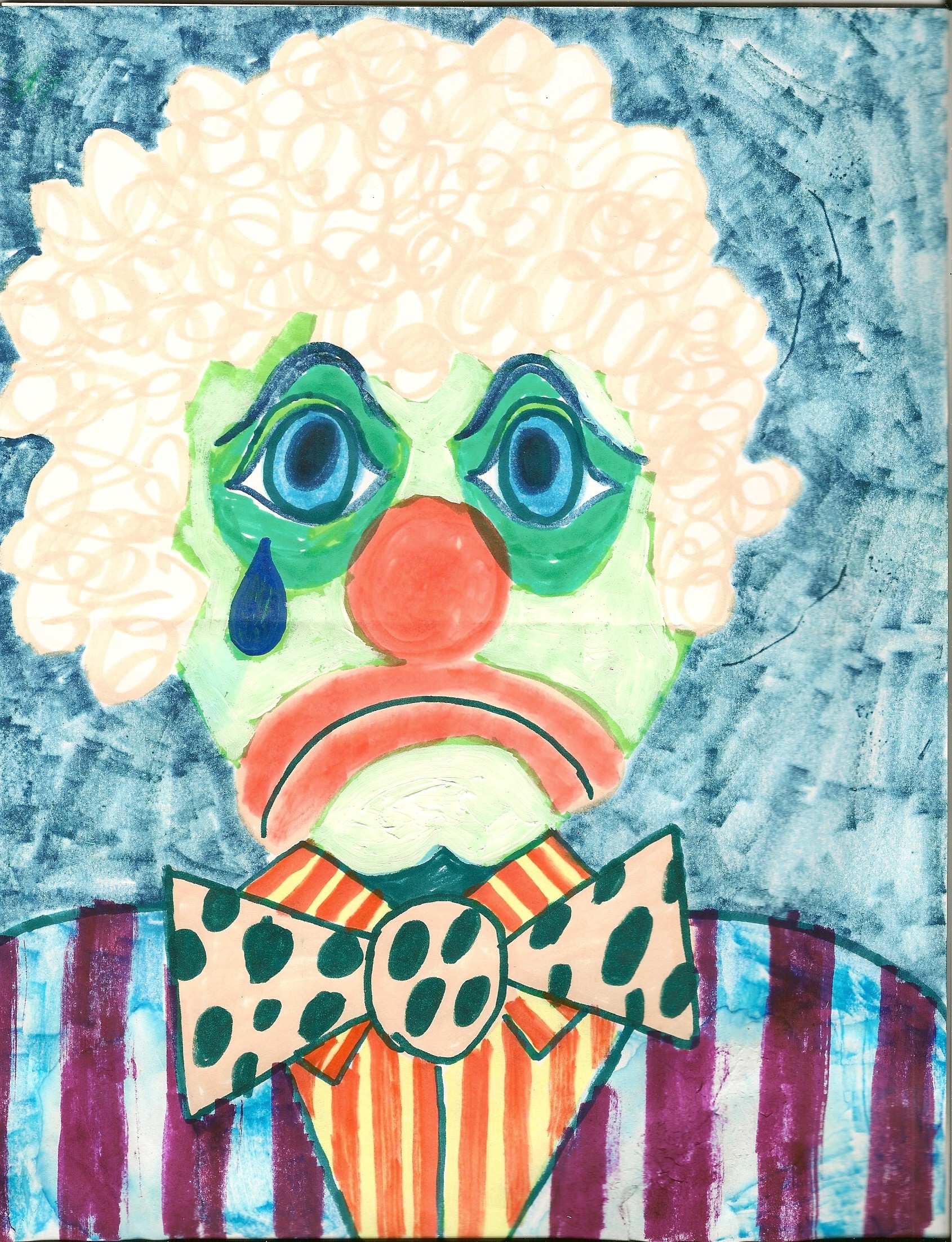
The clown, drawn from the author's memory. . .

The clown, drawn from the author’s memory. . .

I remember when my mom hired a clown for my sixth birthday. He was a sad old man who lived across the street from my grandma. I think my mom knew that I had no interest in clowns, but did it as a favor to the sad old man, who thought he was doing us a favor by supplying his clown charm at such a charitable rate.

I tried to keep my distance from him the entire time, but somewhere near the end, he approached me while my back was turned. He made small talk for a while before getting around to the subject of my grandma. “You know your grandma?” he asked.

I thought it was kind of a stupid question to be asking. Couldn’t one assume, without being too big of an asshole about it, that I knew my own grandma?

“Yeah?” I said.

“I know your grandma too.” he replied, in a way that seemed so sinister at the time.

“You do?” I replied, a look of dread falling over my face.

He smiled and nodded his head. “Yep.”

“Grandma no!” I wailed, tears rolling down my cheeks.

The clown was taken aback by my reaction. “Uhh…”

“Please don’t kill my grandma!” I screamed.

This poor clown. He glanced around in embarrassment. “Easy there, bud. There’s no reason to get upset. I’m not going to hurt your grandma; I know her. I’m her friend. See?” He waved his hands in the air and smiled, which was somehow supposed to prove that he knew her.

“Her name’s Shirley, I live across the street.”

“Don’t hurt my grandma!” I screamed.

He didn’t understand that, in my mind, a clown knowing my grandma meant that my grandma was in serious danger.

“It’s okay, kid.” he said.

“Grandma!”

“Kid, I promise, I won’t kill your grandma. Please just– here.”

He tried to make me a balloon giraffe, which popped on him half way through. His fingers were old and arthritic, and clearly he was no longer capable of doing the same clown tricks he used to.

“I’m sorry.” he said, looking to the ground in both shame and defeat.

You kind of had to feel bad for the guy, especially considering that I made him promise not to kill my grandma. But then, grandmas are important, and their safety is nothing to clown around about.

About the author 

Mitch Kalka is an author and art school dropout. His hobbies include going to the mall, throwing darts, and eating sandwiches.

I Am Old

by Gerald Francis Burke

I sat there in the partial shade, under the palm tree, thinking, dozing a bit, watching the birds and hearing the hawk across the wash calling out plaintively, as my daughter (the one with red hair) came out of the house, crossed the lawn and said Dad, it’s time you came in for lunch now. My son-in-law and I had wondered why the hawk was crying, and we thought it might be that a chick had fallen from the nest.

Maybe just a few minutes more, I said. I’m remembering so many things, good and bad, from the past. That’s all old people have to think about, they have no future, only the past and the present.

I think so much now of the past, of being a dumb kid growing up, thinking I knew it all, and later in life, knowing I knew so little. I remember high school and then college. It was in college that I met that girl, the one that stuck with me through thick and thin, good and bad, for over 70 years. I remember our first kiss, and how my heart thumped in my chest. And I remember the last time I kissed her as she lay dying from a stroke, unresponsive and unknowing, and I told her that I loved her and I would always be there for her.
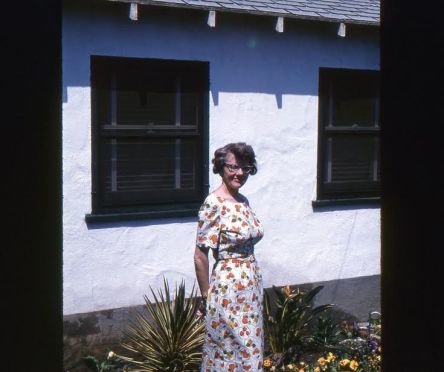
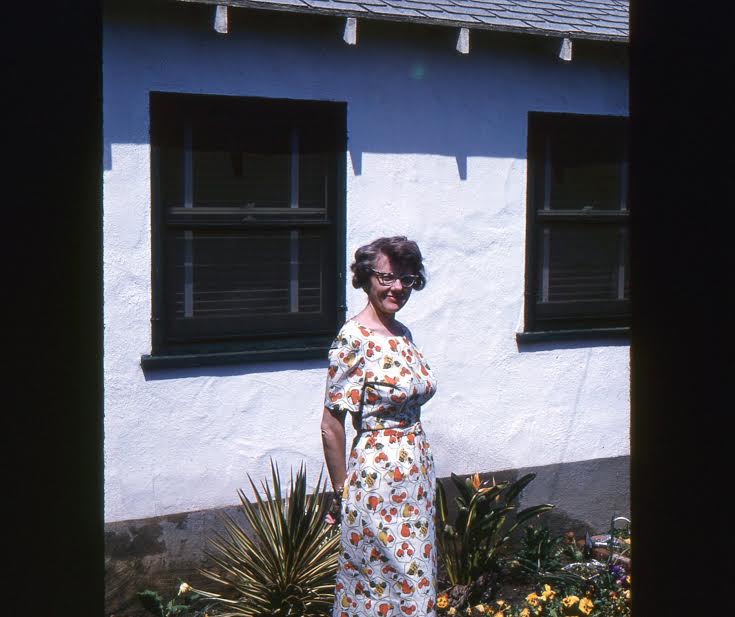
"Mary, outside the first little home we bought."

“Mary, outside the first little home we bought.”

There are all the memories of our first years together, of first jobs and first paychecks. Then of leaving to go into the army, of getting leave to come home after finishing OCS, now an officer and a gentleman, and how that second baby, a daughter (the one with the auburn hair) cried all night long because there was a strange man in the house. Then overseas, to England, across the Channel to France and on into Germany, and how the letters from home almost never caught up with us.

At war’s end I remember being glad to see the sight of America again. And there were ten million of us, trained to be soldiers, un-needed now, and no civilian jobs for us.

But I did find a job, and we moved out of the little rented house and bought one, unfinished but livable, on a half-acre. That girl, now a woman with two children, said of the little house and the half acre, you can plant a lawn over there, and some fruit trees over there, and a vegetable garden over here, and I’ll make curtains for these windows, and then, later, we can add two more bedrooms and another bath.
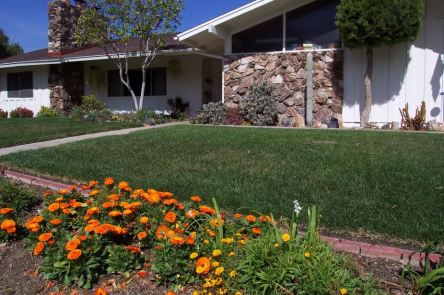
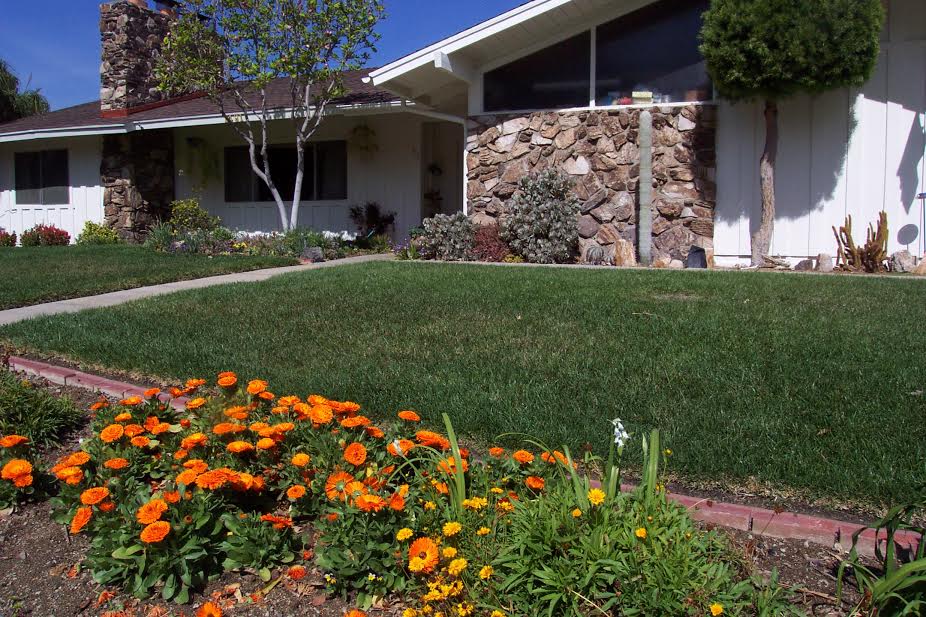
"The home we left behind after my wife, Mary, suffered a stroke."

“The home we left behind”

We did all those things, and another baby boy came along and a baby girl (the one with the red hair) and then another baby boy. I got a job, and I learned to be an accounting clerk, and a shipping clerk, and an order filler, and a warehouseman, and a seed packet filler, and then a plant superintendent, and a branch manager, and after many years, a vice president and western regional manager. The girl, now a grown woman, kept the house, made the meals, raised the children, made do when the wages were small, and better when the salary became good. And we did build those other bedrooms and another bath, and the garden produced, and the fruit trees bore fruit, and the kids went to school, and grew up and went to college, and went on with their own lives.

Our town grew, and our little half acre became part of a desirable property for an auto sales establishment, and we sold it for much more than we paid for it. We bought a bigger, newer home– palatial to us, in a new, upscale part of town, now with only three of the children (including the girl with the red hair) still with us.

The woman went back to college and got her degree in music so she could become a piano teacher. And she said she would be happy if she got two or three students, but at peak she had over 30 students and was teaching every afternoon, six days a week, and sometimes makeup lessons on Sunday.

I remember too, our days of camping, first with a couple of shelter-halves I had from the army, then with a small tent, then with a bigger tent. Then as the children began to leave home, camping in our first motorhome, finally coming down to a fitted van that had all the amenities, when no one but the last child was left at home.

I remember the children in school, in high school then in college, then little by little getting married and presenting us with grandchildren, Tom, David, then the girl with the auburn hair producing Brian, Cathy, Jenny, David, and finally the youngest coming up with Emma and Isaac, and then great–grandchildren began to arrive as the woman and I grew older and older.

I think of memories of retiring, of suddenly realizing that I no longer needed to get up at six am each day, do my morning run, and after a shower, eating breakfast with that lady and then my daily commute to the job. Retirement took some getting used to, but I soon settled in to a routine. I sometimes got breakfast for the woman, planned on gardening chores, and I started to write again, with some success, and I got dinner so the woman could sit down to eat as she finished with her last student.

We would talk about our day, and she would tell me about her last student and how good he was, and how bad another one was, he just won’t count, she said. We discussed upcoming joint projects, and trips we might make in our RV, since I was now writing a camping column for newspapers. And we planned our trips to England, to Ireland, to France, to Germany and to Italy, and a couple of trips we finally made to Hawaii.

I recalled that the house didn’t really seem empty after all the children were gone. They stayed in touch, wrote letters, and enclosed pictures at first, then emails and attached pictures.

I don’t remember death ever entering my mind, but the woman, I think, knew her health was failing and that her time might be coming to a close, and it was.

I remember on a Sunday after returning from a camping trip she said she hadn’t slept well and her stomach was upset. Around midnight, as we lay sleeping, I heard her mumble something, and I woke up and asked her what was wrong, and she said I’ve had a stroke, I can’t move my left leg or left arm. Now began a routine of many trips, in and out of hospitals, to doctors, in and out of rehabilitation facilities, to using wheelchairs and an arm crutch, of a parade of caregivers, some good, some not, who spelled me as the primary caregiver.

After a year or so, I remember the two daughters said you have to move closer to one of us so we can help. So we did, and bought a small house in a retirement center, and I can remember how sad it was to leave the home we loved, our many friends and neighbors, to live in another place, close to a daughter (the one with the red hair). I remember a new set of doctors, hospitals, nurses, and rehab facilities nearby, and a new set of caregivers. I remember the many trips to the hospital when my wife fell and broke her hip, and then a careless caregiver let her fall and she broke five ribs. There are memories of the woman slowly losing touch with life, of a last visit to the rehab center by our oldest daughter (the one with the auburn hair) and her husband, and that she cried as she called me to say they were on their way home, and that her Mom hadn’t been responsive, and didn’t seem to know they were there.

I remember the phone call that day from the facility and the nurse said she died today at 12:30 pm, and I’m so sorry. And I was sad too. The great love of my life was gone. I cried, and a little of me died that day, too.

Now I am an old man waiting for my last day to come, living with a daughter (the one with the red hair) and her husband, both of them very kind to me. They feed me and house me, and I feel grateful to them, but sad.

As I sit there under the palm tree, I hear again the plaintive cry of the hawk in the oak trees nearby, and my daughter says, Dad, it’s time for your lunch, and she helps me up off the blue outdoor chair and holds my hand as we walk across the lawn.

About the author

Gerald Burke is a published, freelance writer of fiction, non-fiction, horticulture, travel, memoirs, and family related articles.
The Bond

by Yvonne Smith

Screen Shot 2014-10-01 at 8.26.50 AM

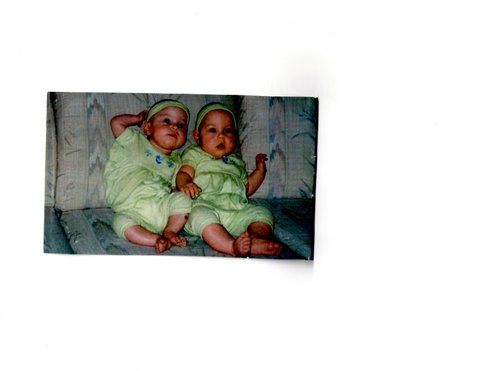
I have a hard time referring to them by name. The combination of letters feels thick around my tongue, like I have to push them out through an opening that’s too small. It is easier, in my mind, to refer to them as “The Babies” or the “Big One” and the “Little One.” Even then, it seems like I have to cough it out. I smile, embarrassed, as I flounder the words around. My husband furrows his brow and asks, Are you OK? I reassure him, and everyone else who searches my face and asks, Is everything going to be OK? Like I have the answers. I’m fine . . . everything’s going to be fine. They smile and laugh and go get coffee. They hear what they want to hear—or maybe it’s what I want to hear.

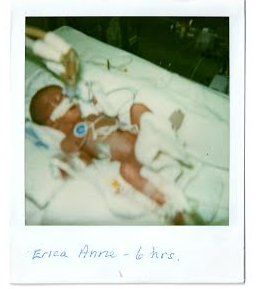
I’ve been blessed with two babies, but both are gravely ill. They came too early; one too small and one in heart failure. I lie in the hospital room at night, in the cool darkness, where the enormity of the situation weighs down on me like a thick, wet blanket. Is this actually happening? I sleep in bits, exhausted, but not really wanting to sleep. The reality shock within moments of waking stuns me and I wish it were all a bad dream. I find myself gasping at the fear; the fear of one or both of them dying. Or . . . worse.

I roll in bed from side to side, the pain fresh in my belly where they’ve taken the babies out. Overwhelming in its severity, yet I persist, reaching for one side rail, then back over for the other. It sears, hot and sharp, flashing white spots blur my vision. But I press on, preferring the physical pain, the momentary relief it provides from the anguish that hovers all around me, like a veil.

On the third night, as I stare out at the city lights across the river, the door to my room slowly opens. I raise myself up on an elbow and watch as a nurse quietly approaches my bed. My heart gallops in my chest and I feel my hands begin to shake. I fear what she might say but also expect it at the same time. She leans down towards me, a clipboard in her hand. The light from the hallway illuminates her silhouette just enough to make out her features; a thin face, glasses, hair pulled back in a bun. She is smiling. I’m confused. I hold my breath, waiting for her to speak.

“NICU phoned,” she whispers, “your baby wants to nurse.”

What? Adrenalin shoots through me and I bolt upright to the side of the bed. A miracle! It’s a miracle! “Really?” I say, disbelieving. My hand is still shaking as I run it through my hair, but with exhilaration this time, not despair. “Should I go upstairs?” I ask, referring to the neonatal intensive care unit. I see her brow twitch as she glances at her clipboard and I know in an instant she’s made a mistake.

“Aren’t you . . . aren’t you Mrs. Thompson?” she asks as she holds the clipboard towards the light, examining it, running her pen up and down, looking for an explanation.

“No.” I lie back down, deflated.

“Oh, oh jeez, I’m so sorry,” she backs out of the room, “so sorry to disturb you.” She pulls the door shut and again I’m enveloped in darkness.

I can hear the faint cries of a baby somewhere on the unit. A healthy baby, able to room-in with her mother. I picture them—baby rooting for the mother’s breast, round head nestled in the crook of her arm. She gazes at her baby, runs a finger along the delicate silk of the infant’s cheek, in awe of her existence. Sobs balloon up inside me and escape in loud bursts. The brush of serenity, of hope, like a feather on my arm, ignites sorrow so raw, I feel like I may truly die. I turn my face into the pillow, pulling it tight against my head and scream and gag and ask, Why? I stay that way for I don’t know how long, until I’m zombie-like, lifeless, empty. When the door opens again a few hours later, the light streaming into the room, I don’t even turn over.

“Mrs. Thompson, your baby is wanting to eat again.”

Really? I lie still, silent. There is a moment’s hesitation before I hear her sharp intake of breath. “So sorry,” she murmurs, the wedge of light disappears as she closes the door.

I get up, click through the light settings to low, then hook myself up to the milking machine. I sit and stare at the putty white paint peeling off the wall where it meets the ceiling. The loud drone of the machine fills the room as it attempts to extract milk from me. I hate it; the whole mechanicalness of it, the lack of production. I feel like a failure, unable to provide the milk that the babies need. I stay that way for 20 minutes then check the collection bottles—nothing. I crawl back into bed, turn off the light and watch as the sun cracks the horizon.

11:00 am. I make my way up to the NICU for visiting hours that are about to begin and phone into the unit from the waiting room. I give my name and the babies’ names, ask if I can come in and see them.

“Not right now,” a rushed voice tells me, “it’s too busy. Give us half an hour. We’ll phone you.”

I wait for an hour. The phone rings and startles me as I’ve dozed off.

“Mrs. Smith?”

“Yes, speaking.”

“You can come in now.”

I enter the unit and I’m hit with the sharp scent of antiseptic and a flurry of activity—alarms beeping, phones ringing, doctors and nurses moving swiftly. The unit is packed full of isolettes, rows and rows of them. I’ve learned that the babies get moved around depending on workload and how stable or unstable a baby is, so I’m not sure where to go. I stand there, trying to get my bearings, fighting to keep down the panic that is creeping into my throat. No one seems to see me. Then, straight ahead a name tag catches my eye. It’s strange to see her name in writing; it makes her real instead of just the Big One. I shudder. At three and a half pounds, she’s not very big.

I move toward her isolette. She is four days old and it’s the first time I’ve seen her show any signs of life. She is crying, her tiny fists clenched, her eyes squeezed tight but she makes no sound—the ventilator tube through her vocal cords silences her cries. I stand there afraid, unsure of what to do. Stranger in a strange land.
Then a voice over my shoulder says, “She’s beautiful, isn’t she?” The smiling face of a nurse is looking at me. She has long brown hair pulled back into a tight pony-tail and a splash of freckles across her cheeks. I nod and tears burn my eyes.

“You can touch her you know, it’s OK, come.” She gently takes my arm. “Just put your hands firm on her; don’t rub.”

I reach into the port hole, first one hand then the other, and place them on her rhubarb-red body. I can feel the heat from her through the palms of my hands and to my amazement, she stops crying. Right before my eyes. I can feel it now—the bond.


I am your mother and you are my child.

unnamed (2)

About the author

Yvonne Smith writes from a small Canadian city where she lives with her husband, their two daughters, and a Rottweiler named Maggie. Her work has appeared in the Society and Beer and Butter Tarts. She is currently working on her first novel.