Common People

by John Farley

The George Tavern

The George Tavern

The year I was alone in London, I frequented a pub called The George Tavern two blocks from my flat. I used to drink there with a guy named Harry Diamond. Harry possessed nearly a century of wisdom, which I caught only a third of on account of his thick cockney accent, which he spoke with half his teeth missing.

The George had an outdoor courtyard overlooking The Thames. Even with the river smell, most nights the courtyard was occupied by at least a few pretty women. That’s where Harry sat. London girls were all wearing beehive hairdos then. They’d come over and kiss him on the cheek and he’d stare at their breasts while they flirted with him. One of Harry’s girlfriends called him the lifelong bachelor. When I asked him why he’d never married, he answered, ‘Some do, some don’t.’

unnamed (1)

Harry Diamond

Later, one of the bartenders told me that Harry had been a famous street photographer in the sixties. His best friend was the painter, Lucien Freud, but they’d had a falling out sometime in the past. That’s what he’d heard.

After a couple months of talking to Harry and his women, the staff of The George started letting me hang around after hours with the regulars. There were a lot of regulars. This Jamaican guy used to break me off a small brick of hash if I listened to his stories about his time in the Royal Navy. Really it was just one story, a long story, told primarily in the form of a list of the places he’d been stationed. But he spoke in this deep bass enriched by decades of smoking. Even “Alberta, Diego Garcia, Gibraltar” sounded like they came from the voice of a Jamaican God.

Early one morning toward the end of my time abroad, I found myself The George’s sole remaining patron. I’d been talking all night with the two bartenders. My favorites, Liz and Frank. They were married. Both were in their 30’s but they’d met a decade earlier in their careers as George bartenders.

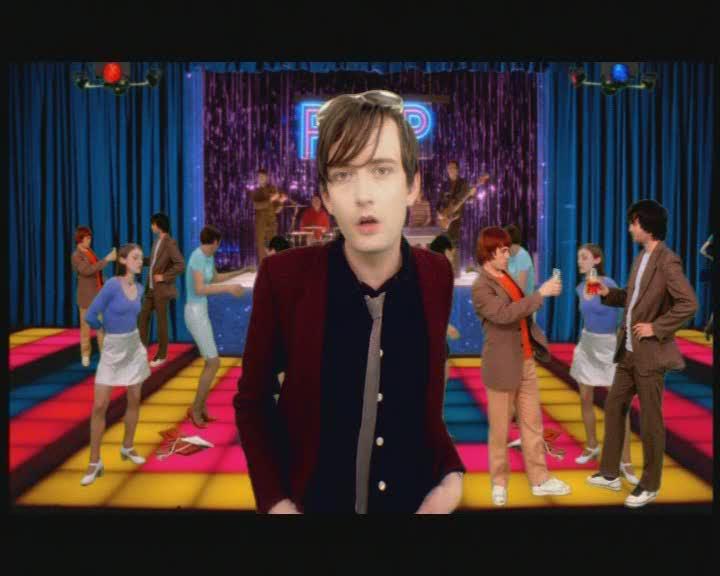
Frank told me the pub was over 300 years old. Since I’d managed to drink beer longer than anyone else that night, he suggested I get a private tour. They took me down to the basement and showed me a tunnel in the wall, about six feet in circumference and pitch black inside. Liz said it was walled off at the other end, but it once led to the Limehouse Docks, where street urchins were paid to steal barrels of imported beer. Frank told me about the old Stepney night club, an abandoned building behind the bar. He said it was where the band Pulp filmed the video for the song “Common People,” set in an old disco, with a grid floor of translucent tiles illuminated by changing colored lights. They had the key. I couldn’t see anything at first. The overhead lights and the floor turned on at the same time. In the middle of the floor, on its back, lay a white taxidermy owl. I screamed, so did Liz and Frank. They didn’t know where it came from. Upon closer inspection, it was an immaculate specimen. Expertly stuffed, in our judgment. Its black eyes reflected the shifting streams of red and blue light from the ceiling. Rays of yellow, pink and a darker blue light shot through the feathers in its wingspan, even from the darkness down its open beak.

unnamed

Still image from Pulp’s “Common People”

I heard Harry died a few years after I went back to America, but you can still seem him. He’s in The Tate Modern, where he’s the subject of Freud’s painting, Interior at Paddington. He’s younger than I knew him, like a son of the man. He’s standing on a red rug by a window on a gray day, clenching something we can’t see in his right hand and holding an unlit cigarette in the other. He’s looking at a small potted palm tree, in the foreground, on the edge of the rug. Maybe he’s having some kind of revelation, as if the palm tree also looks.

Lucien Freud's portrait of Harry Diamond

Lucien Freud’s portrait of Harry Diamond

About the author

John Farley is a poet and writer from Baltimore. He co-edits the journal Call of the Void.

Prankster Comes Clean

by Randall Martoccia
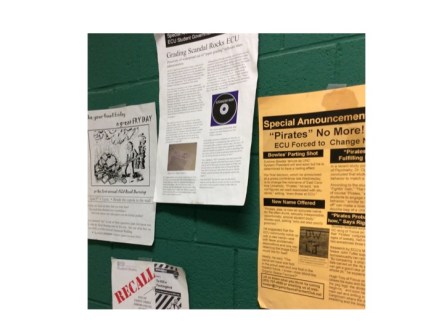
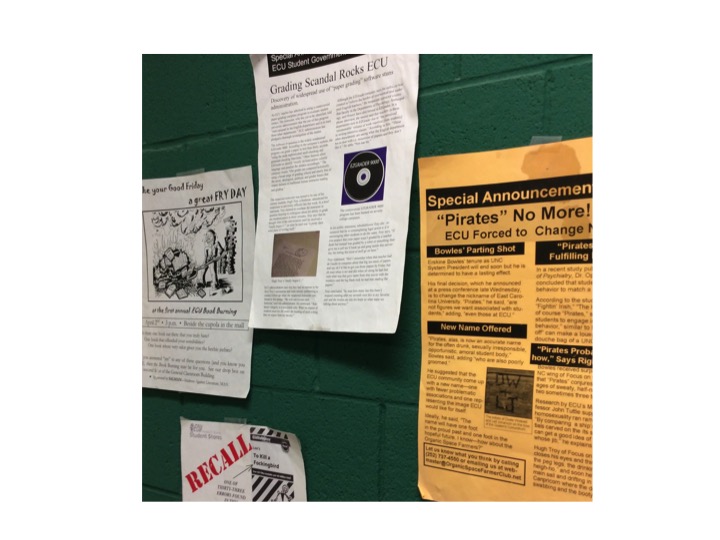
wall of pranks

Wall of Pranks

I was a serial April Fools’ prankster up until that week in 2014. My MO was to make the prank look like a bulletin from a university department or, as in 2014, from the campus newspaper. That year’s prank—my 18th—was an Onion-style article about a pair of characters who are devastated to find out that their beloved East Carolina University athletic program is clean.

“Culprit Comes Clean” capped five days of fallout. On the day after the prank, I dismissed my class and saw a campus cop in the hall. My class had just talked about the Birther conspiracy belief, and the discussion continued down the hall. I noticed that the officer trailed us but I thought little about him. In fact, when he confronted me, I took him to be a former student. I greeted him how I usually greet students whose names I’ve forgotten: “Hey, how have you been doing?”—making up for my memory lapse with exuberance.

He asked if we could talk privately. It beat “publicly,” so we walked to my office. He showed me my flyer and asked me if I knew anything about it. I confessed, which he said was a good idea because I was “all over the surveillance cameras.” Around this time, I half-assumed that I was being out-pranked.

Was it wise of me to wallpaper my office with my past pranks? Probably not. There I was with a uniformed officer questioning me about a hoax, with the evidence of nearly two decades of impishness on the wall behind me. The décor resembled the wall clippings you see in the boudoirs of cinematic serial killers.

With this prank, my last, I made two undeniable mistakes. I used the campus newspaper to distribute the hoax (by stuffing my flyer into the issues). Also, I used the paper’s logo. I assumed that any readers with any sense would realize that it was an absurdist satire, but they would have no way of knowing that the prank was not from the newspaper staff.

Involving the athletic department might have been my third mistake. I did not satirize the university’s sports programs, but I understand why the leaders of the program were angry. The fear of improprieties hangs over any college program, so I get why the officials would dread even the whisper of a scandal—or the screaming of it in a bulletin’s bold headline. Plus, my hoax was off color. I have one of my distraught fans, John Tuttle, posit, “Handjobs get results.” The character is presented as a fool, but since no other hoax generated negative blowback, the fool was possibly correct about one thing: “Hand jobs” might have gotten a result.

That any part of me was expecting the officer to blurt out, “April fools, sucker!” shows my cluelessness. A couple of years ago, my buddy James Marshall asked me how I got away with my annual April Fools’ gags. Unlike corporations, I told him, universities tolerate dissent, even subversion. I pointed to a precedent. Several years ago, my hoax concerned the silencing of the Pirate Rants, a series of anonymous rants that appear in the campus paper, which—by the way—are the paper’s most popular feature. The then editor published a playful response, which read, “I would, however, like to thank the individuals who decided to create this unique prank because our readership increased….” To expect pranks to always be taken in this spirit was just wishful thinking.

Ultimately, no charges were filed. I sent apology letters to all of the offended parties. Seeing my name and face in the paper next to that headline made me edgy. I looked at the article that one time and couldn’t even bring myself to read it all the way through. For weeks afterwards, I avoided picking up the newspaper, fearing a reference in—yep—the Pirate Rants. I was done with April Fools’.

And I was relieved. April Fools’ Day pranks had become an obligation. Late March had become a stressful time for me, as I had to rack my brain to come up with a new gag that could top the previous year’s. A lot of people—I call them normal people—don’t feel the yearly urge to create satirical hoaxes. I’m now one of those people. So in this case, if none other, I’ve been normalized.

The Making of a Prankster
Slide1

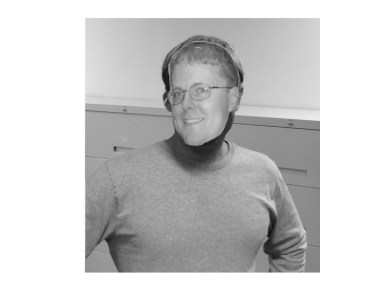
Pranksterism runs in the family. My dad sprung something on his family every April 1st. I’ve picked up fake dog shit with a paper towel and swatted a rubber cockroach with a shoe. I’ve seen what looked like a tipped-over bottle of chocolate syrup on the kitchen counter only to realize that the spill was a flat piece of brown rubber.

The pranks he pulled on his Psychology Department colleagues were more sophisticated. They usually appeared in the form of department memos. I remember one of them, in purple mimeograph ink, announcing that ECU would be enrolling a pair of gorillas. This was back when Koko was astounding people with her communication ability. Marsha Ironsmith and John Lutz, my father’s colleagues, recall another prank that followed “a heated debate on the merits of the foreign language requirement.” The next morning, my father, who had been silent during this contentious department meeting, sent out a set of minutes—in French.

In 2001, the first April after my dad died, I was grading papers in my office over the weekend. I had taken on the tradition just a few years earlier, and feeling overwhelmed, I was planning on skipping this year. Then, something kicked in and I decided that, no matter how busy and how drained I was, I had to do something. My prank—a parody of the course flyers that were then common on my department’s walls—was probably my least ambitious both in concept and in execution. I made about ten copies and just taped them up among the real flyers. The mock course, by the way, was the most boring one I could think of, The History of Punctuation. I know of no one who tried to register for the class, nor do I know if it was noticed at all. Still, it’s one of my favorites. Continuing the tradition seemed so important that day, less than four months after my dad died.

In those first pranks, I was doing for (or to) my department what my dad had been doing for the psychology department. Local were the themes and the distribution. I was content to plant posters in the English Department office suites. I expanded into campus-wide pranks in the early 2000s. Some pranks were just silly, as in 2009’s “Bring Your Pet to Class Day.” In 2010’s “‘Pirates’ No More.” I had UNC system president Erskine Bowles change ECU’s nickname to the more politically correct Organic Space Farmers. Most hoaxes are inherently satirical, but with the silly hoaxes, the only target of satire was people’s gullibility. In some years, though, targeting a social issue or campus concern took precedence. In 2004, I had ECU launch a faith-based curriculum. The flyer, designed by my sometime collaborator, had a Heaven’s Gates gatefold.

One of my problems with the 2014 prank resulted from combining a hoax and a social satire. My usual strategy was to attract attention with a shocking headline and use a familiar logo to get past the readers’ skepticism. If someone wanted to suspect ill intentions, the 2014 headline—“Scandal! in the Athletic Department: No-show Classes, Paid ‘Chaperones’ to Entice Recruits, and Illicit Payoffs”—provided ample material. I’m confident that no one fell for the prank. In order for someone to believe that the fan club actually called for improprieties, one would have had to miss my clues, such as the bulletin’s picture and caption, wherein a football player flaunts cash above the words “Brian Cardiff holds up bills shamefully not given to him by the ECU Pirate Athletic Department.” And would anyone who misses the irony actually want to admit it? Still, this prank shows the problems that arise from mixing a hoax with social satire. I couldn’t pull it off, and I had 187 square inches to work with. 

“Whatever It Is, Randall Did It”*

In the days leading up to April 1st, 2015, I told everyone that my plan for that day was to be as innocently visible as possible. A friend threatened to make a bunch of “Randall masks,” assemble a prankster team, and release them—V is for Vendetta-likeon campus. I had a mix of worry and hope. Maybe the scandal would rise up again. Maybe the tradition would continue.

I behaved myself, but I didn’t have a chance to bask in the bright light of virtue for long. On April 2nd, in an unsigned editorial, which was primarily about the loss of several positions in my department, the campus newspaper staff wrote, “We consider it alarming that Randall Martoccia was not among the professors who were let go earlier this year,” meanwhile accusing me of slandering ECU’s football team. That the hit seemed so off (slander?) and so, well, old did not make it any easier to read. The same raw feeling came back, and I wondered about the future. Could I expect the scandal to blaze forth every April like azaleas? And then wilt a few weeks later, also like azaleas?

What disturbed me most was the loss of control of my image. Like most writers, I have some narcissistic tendencies. I occasionally cast myself in my own movies (and—good God—I’m no actor), but in those cases I’m in control of how the world sees me. My name and my old picture (in the 2014 article) were used willy-nilly by people with vats of ink at their disposal. My scandal was very minor, but I found that the public arena is an icky place.

While in that place, I saw myself the way my newspaper detractors saw me. Was I really guilty of something so awful? Well, the newspaper nearly seduced me into thinking so. Then something a colleague told me helped pull me out of my prankster remorse. This colleague—a thoroughly respected and respectable professor—stuck his head in my office and said, “If they can’t take a joke, fuck ‘em.” I had been suckered into seeing myself as a particularly humorless group saw me, and of course I was going to look like a delinquent to them.

As for my friend’s threat to deploy a band of masked pranksters on April 1st—well, I now wished that he had followed through. I wished to see the Pirate sculpture bedecked with shovel and jet pack as he transformed into an Organic Space Farmer. I wished to see the Pirate Rants turn Francais for just one day. I wished to lose control of my image in the grandest possible way. I wished for my face to really be “all over the surveillance cameras.”

Alas, my friend was only bluffing. For the first time in three decades and maybe four, ECU’s campus was free of the Martoccia prankster tyranny.

*On my first prank-less April Fools’ Day, an unidentified colleague posted on my office door a note with this message.

About the author:

Randall Martoccia teaches composition, literature, and film studies at East Carolina University and screens fiction entries (among other duties) for the North Carolina Literary Review. Several of his short videos can be found on YouTube. His most recent is Campus Ghost Walk/Folk Talk, a documentary about legends on East Carolina University’s campus. His work has appeared in War:Literature and ArtJersey Devil Press, and Skeptic Magazine. His poem “Love as a Space-Age Polymer” was a finalist in a Prairie Home Companion sonnet contest. His story “Pipe Dreams,” about his mother’s head shop, was one of the first stories published on the Tell Us a Story blog. You can read it here: Pipe DreamsTo see the pranks mentioned in this article and most of the others from Randall’s 17-year run, go to his blog: https://randallmartoccia.wordpress.com.

Current Resident

by Tim Miller

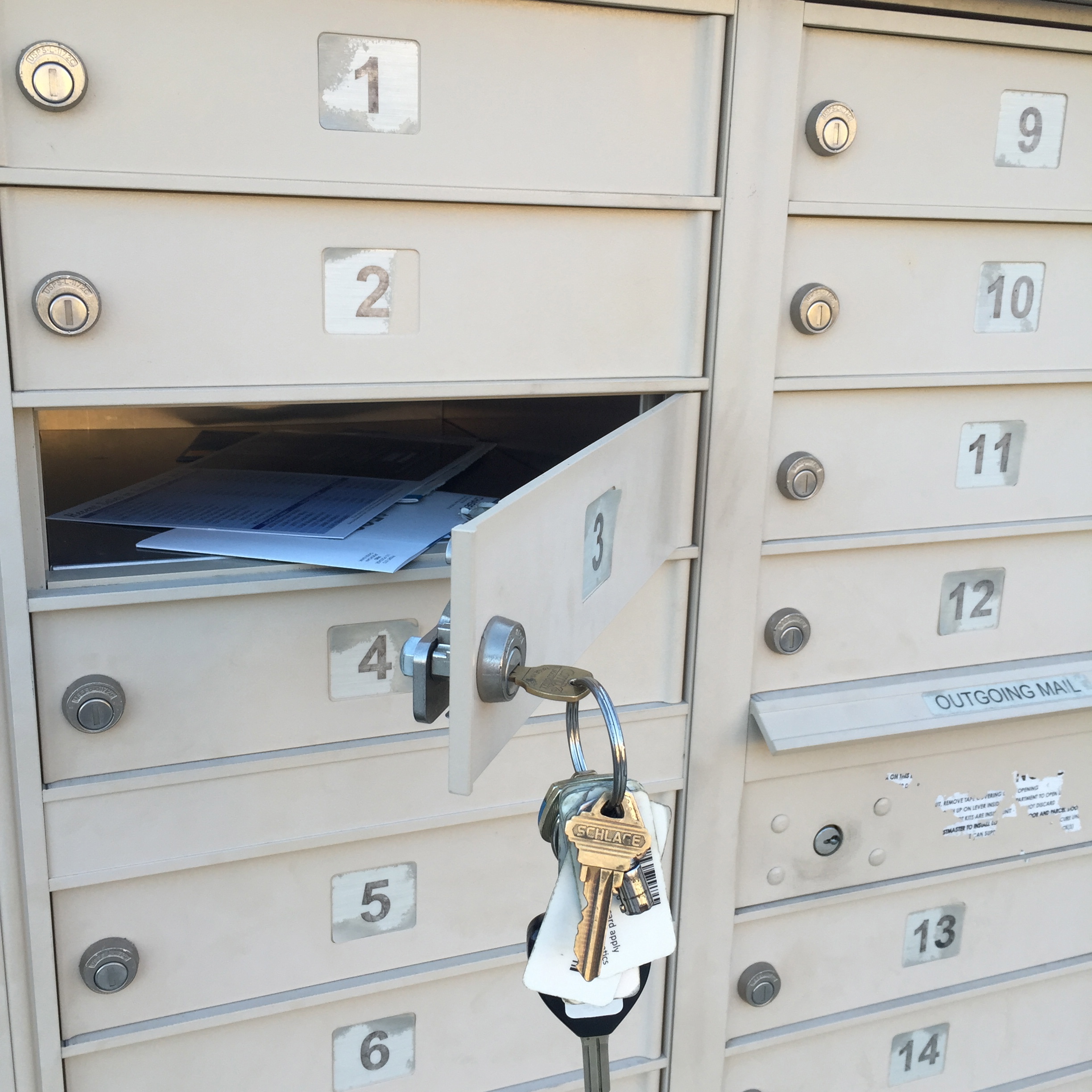
Photo credit: Tim Miller

Photo credit: Tim Miller

June 14th, 2014

Dear Connie Fredricks, Managing Broker for Wondermore Real Estate,*

Hello Ms. Fredricks. Would you please remove our address from your mailing list?  We receive frequent brochures from your Company and are not interested in your Real Estate services at this time.

Thank you.

Sincerely,

Current Resident

1022 Holiday Rd

San Marcos, WA 92078

*******

July 21st, 2014

Dear Connie Fredricks,

Can you please remove my address from your mailing list (2nd request)? 1022 Holiday Rd San Marcos, WA 92078. I would like to be environmentally friendly. If you’ve already done so, disregard this message.

Thank you.

Current Resident

1022 Holiday Rd

San Marcos, WA 92078

*******

August 28th, 2014

Hello,

This is my third attempt to be removed from your mailing list. Mr. & Mrs. Haaland no longer live at this address and I’d appreciate a reduction in my junk mail.

Current Resident

1022 Holiday Rd

San Marcos, WA 92078

*******

September 20th, 2014

Dear Madam,

Can you remove the following address from your mailing list?

Mr. and Mrs. Haaland Or Current Resident

1022 Holiday Road

San Marcos, WA 92078

The frequent mailings are arriving in San Marcos, CA. We are not in the least bit interested in your Real Estate services. Thank you. (This is my fourth request)

Current Resident

1022 Holiday Rd

San Marcos, WA 92078

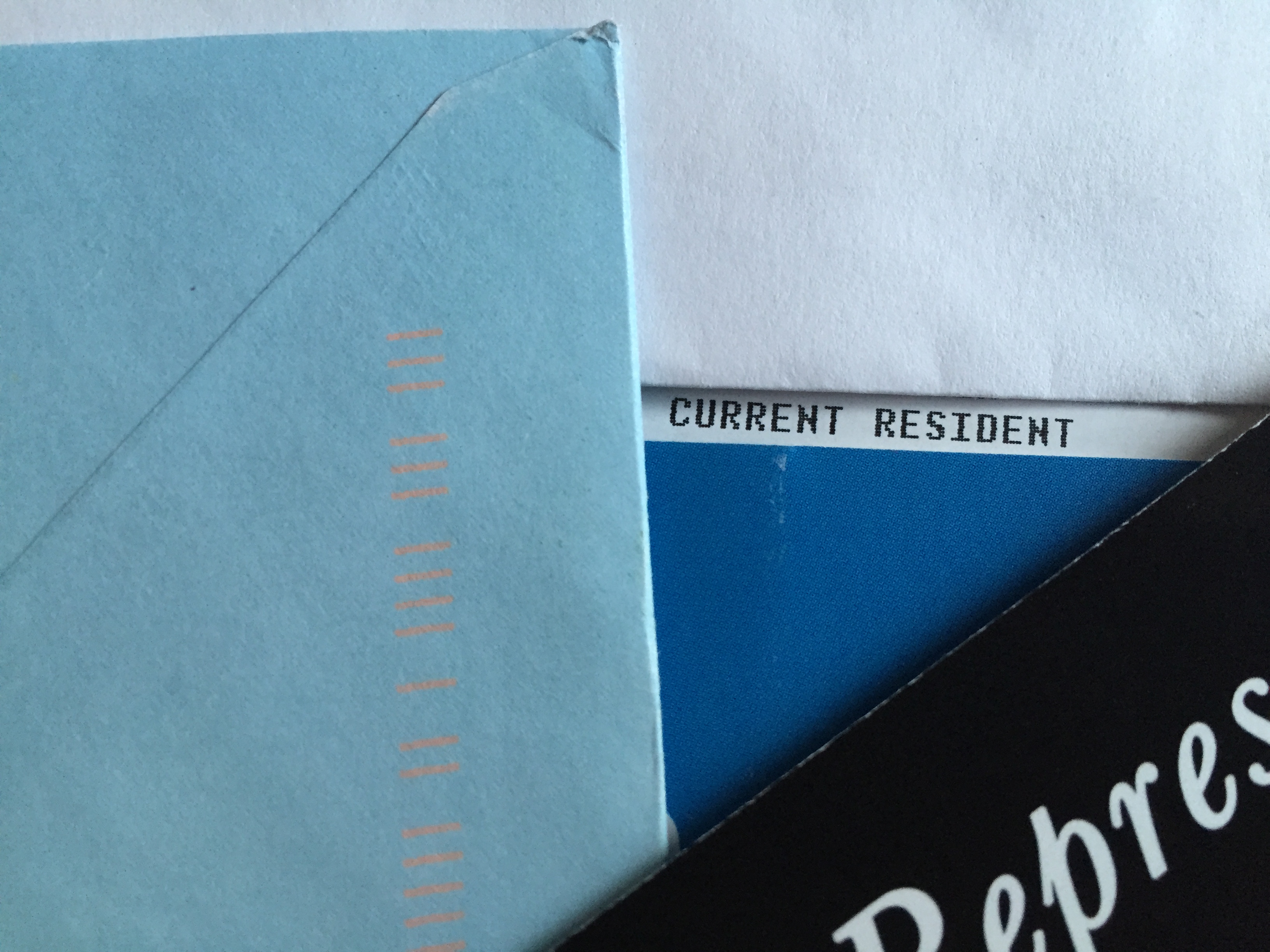
Photo credit: Tim Miller

Photo credit: Tim Miller

*******

October 9th, 2014

Connie,

I’m taking time out of my day to once again request that you no longer send Real Estate brochures to 1022 Holiday Rd San Marcos, WA 92078. I understand that you are in the business of recruiting clients, but I am not looking to buy or sell in the foreseeable future, and already have a real estate agent that I’m comfortable with. Please, reduce the amount of paper your company uses, go green, and take my address off your mailing list. Thank you!

Current Resident

1022 Holiday Rd

San Marcos, WA 92078

*******

November 15th, 2014

Dear Irresponsible Business Leader,

Obviously you have blatantly ignored my repeated requests to get off your mailing list. Clearly, I have no intentions of hiring your company for any real estate needs.

For one thing, you can’t honor a simple request to reduce the amount of trees you murder in Washington sending off these brochures all over God knows where. Also, for a real estate broker, I’d think you’d be better in geography. There is no San Marcos in Washington.

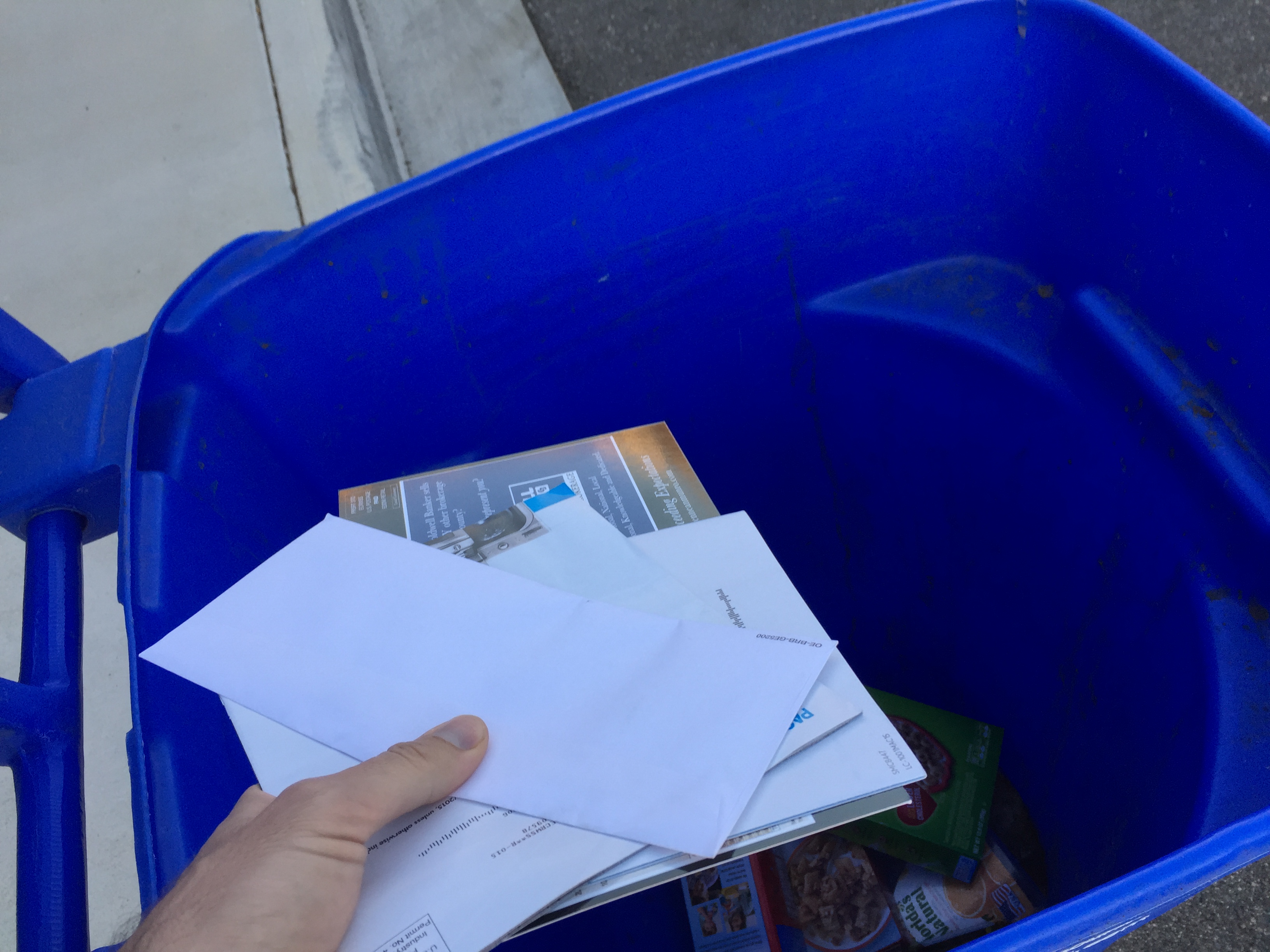
I don’t mean to rant here, it’s that I’m frustrated because every month I have to toss your brochure, with your smiling face, into the recycling bin, needlessly. It’s very wasteful.

I understand junk mail, and businesses trying to reach more customers through advertisements in the mail. I know the economy is tough and advertising needs to be proactive- even aggressive. Businesses are not to blame, especially if the method is proven to work.

So when I saw that you are based in Seattle, Washington, and were mailing brochures to an address that doesn’t exist -in San Marcos, WA- I thought I would take a moment out of my day to alert you to this error, so that you could correct it and thus reduce the impact on the environment of your business. Every piece of paper counts. So I thought I would do the Earth a small favor.

Not only have I tried once, but repeatedly. Since you’ve been ignoring me, I’ve continued my attempts, on principle. In fact, this is my sixth try!  And the brochures keep coming. So I thought I would once more appeal to your humanity and our common ground of being residents of the Earth.

Please, save some paper and remove our address from your mailing list.

Current Resident

1022 Holiday Rd

San Marcos, WA 92078

Planet Earth

Photo credit: Tim Miller

Photo credit: Tim Miller

*******

December 23rd, 2014

What a surprise!  I opened my mailbox and saw your dumb smiling face again. Such joy!  Another Home Update installment from the Wondermore Real Estate Company! Since reading these installments, I really have started to wonder more! Once again, I rush indoors, tingling with excitement over volume 33106. It’s almost unfair that I’ve had to wait an entire month since volume 33105. Your enthralling market updates and precision pricing guides practically float in my dreams. The last issue has been the most insightful real estate brochure I’ve ever read! I’ve been anxiously waiting to see if you could repeat, nay even top such exquisite writing.

Breathless with anticipation, I rip open the brochure and turn as always to your eloquent, comforting, and sage “Things To Consider” section.

I have a Thing for you To Consider: you suck!

I’m sure if I emailed you with a request for real estate assistance, you’d respond in a heartbeat, wouldn’t you?  That’s because you’re selfish. Who cares that the world’s forests are shrinking, as long as Connie Fredricks has real estate business?  It’s unreal, how completely out of touch with reality and self-indulgent some people can be. Not to mention negligent.

You are wasting time, energy and resources sending these stupid, inane brochures to San Marcos, California, and probably don’t even realize it. No time to think of the postal worker that has to carry one more useless piece of paper, or the sanitation worker that has to lift my recycling bin. Well, why would you, if you have a healthy bottom line. No time for the details, when you have taxes to evade and vacations to plan. Shocking, the incompetence and sheer disregard of Corporate America!

Honestly, how much makeup do you need for your photograph?  And that haircut makes you look like a little boy with wrinkles. For a moment I thought it was Benjamin Button.

I could give two [redacted] that your son Aaron will begin to work as your business partner. Great, more nepotism in America!  Once again, a more qualified applicant is kicked to the curb because baby boy spent his college years getting wasted. Come work for mommy, in a few years you can make partner. It’s disgusting.

What’s that?  You and Nepotism Boy have been chosen by industry experts as one of Seattle Magazine’s Five Star Real Estate Agents, the top 5% of real estate agents in the Seattle area?  Well, that doesn’t speak very well of the overall intelligence of the Seattle Real Estate Industry, considering that you mail brochures to a town that doesn’t exist- in California!  So, basically, you’re saying 95% of Seattle real estate agents can’t find California on a map. Unbelievable.

Oh, and I’m not buying that whole Community Service Day bull on the back page. Every year your company joins together to complete neighborhood improvement projects?  What a lark!  That picture of a lady raking leaves is an insult to people who really do try to make a difference on this Earth, even small ones like reducing junk mail.

Who’s lawn is she raking? Aaron’s?

I almost vomited when I actually read your closing sentence. “An investment in our neighborhoods gives us all a better place to call home.”  Does that include the make believe ones, like San Marcos, Washington, or do you consider pollution and waste, in real communities like San Marcos, California, to be an investment.

So go ahead, keep mailing me your dumb brochures with your arrogant smile, and I’ll keep recycling them, because what difference does it make?  Just keep smiling and murdering the Earth!

How does anything we do matter in the grand scheme of the universe, anyway?

Current Resident

1022 Holiday Rd

San Marcos, WA 92078

*All names and addresses have been changed for the sake of the privacy of the author and the people he is angry with at Wondermore Real Estate.

About the author

Tim Miller lives and writes in San Marcos, CA.  Previously, he published a humor column in the North County Times that at least one other person thought was funny.  When he is not writing or teaching, he is pretending to be King Triton with his daughters. On these occasions, his voice can be described as gruff.

Empty

by Melissa Rose

the author’s mother


When I was ten

my mother became a celebrity

the newspaper headlines read

local teacher caught drinking and driving

passed out in the middle of an intersection

a can of beer still clutched in your hand

my infant brother in the car seat beside you

beg the reporter not to print the story

you were a single parent praying children wouldn’t be taken away

I didn’t know what “alcoholic” meant

just the sound of empty bottles

the smell of your breath.


Eavesdrop grown up talk about foster care for days but

probation turned weeds into wishes

when you were sober we used to take weekend walks down lonely beaches

collecting seashells like souvenirs

holding one to my ear you said

I could always hear the ocean inside if

I listened

the sound of amplified waves creates a rhythm only mothers and daughters can dance to

this is how I remember you

I was a young statue

admiring a flawless block of marble.

Every year chips away parental perfection

over time your overcast reflect a rock bottom I can’t fathom

became a helpless star

watching the earth pollute

herself.


Alcohol stains the gene pool like an oil spill

by age seventeen we share our hangovers

like secrets

our sentences never make

sense.

I used to admire you

now our similarities scare me

to this day there are times when I still need you

the day after I was raped you were too drunk for me to tell you what happened

I watch you deteriorate into detox clinics

still filtering out the parts of you I want to remember and

hold those moments like souvenirs.


When the afternoon finds you passed out on the couch I still

put my head to your chest just to remember what the world sounds like when

played to your rhythm

I want to bring the beach back home

gather shells from the sand

hold them to your ear so

you can listen for

the sound of the strength it takes to admit that

your imperfections are what make you whole

beautiful

and bottles are what made you

empty.

The author


About the Author

Melissa Rose has been writing and performing poetry since 2001. She currently travels across the United States conducting poetry workshops and helping others discover how writing can improve their lives.